*Digital Alley

Robotics and 3D Technology Laboratory

On March 18, 2026, on the eve of Digital Nauryz 2026, Esil University will hold the grand opening of the Robotics and 3D Technology research laboratory (room 119) at the Department of Information Systems and Technologies. The university's founders and guests have been specially invited to the ceremony to inspire students to creative activity — both within the laboratory and in the future.

Faculty and students of the department will demonstrate their skills with Arduino platforms, 3D printers, and interactive widescreen displays.

March 18, 2026Laboratory Opening
10:30Digital Alley ceremony with the Rector
119Classroom at the Department of Information Systems and Technologies
3Classrooms
*Equipment

Laboratory equipment

3D printerUses a computer model to create and print a three-dimensional object, recreating a real model from a digital 3D model.
Camera devices (3D scanning)They create a three-dimensional model of the object under study as a digital 3D file — applicable in engineering, medicine, design and manufacturing, and agriculture.
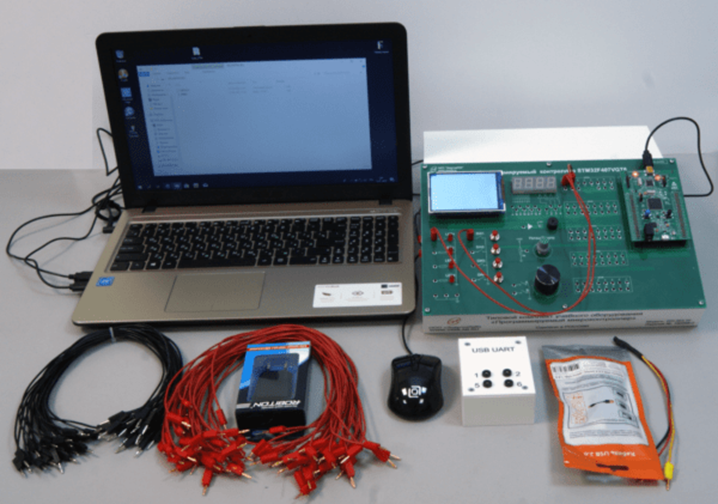
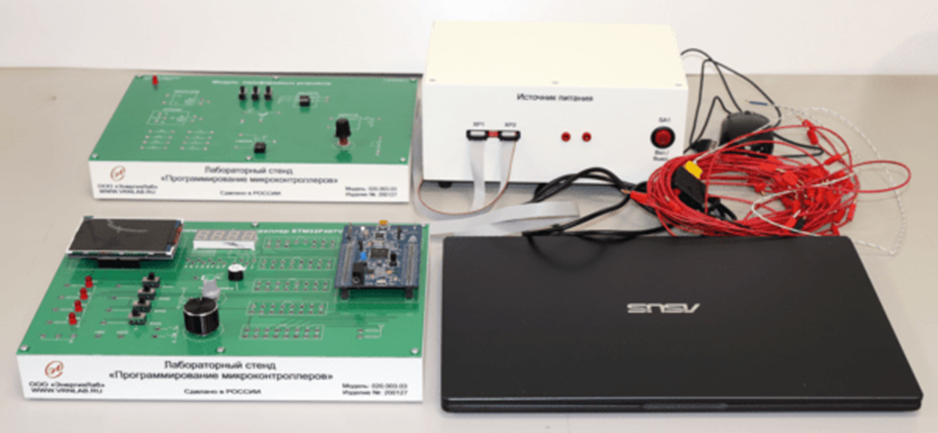
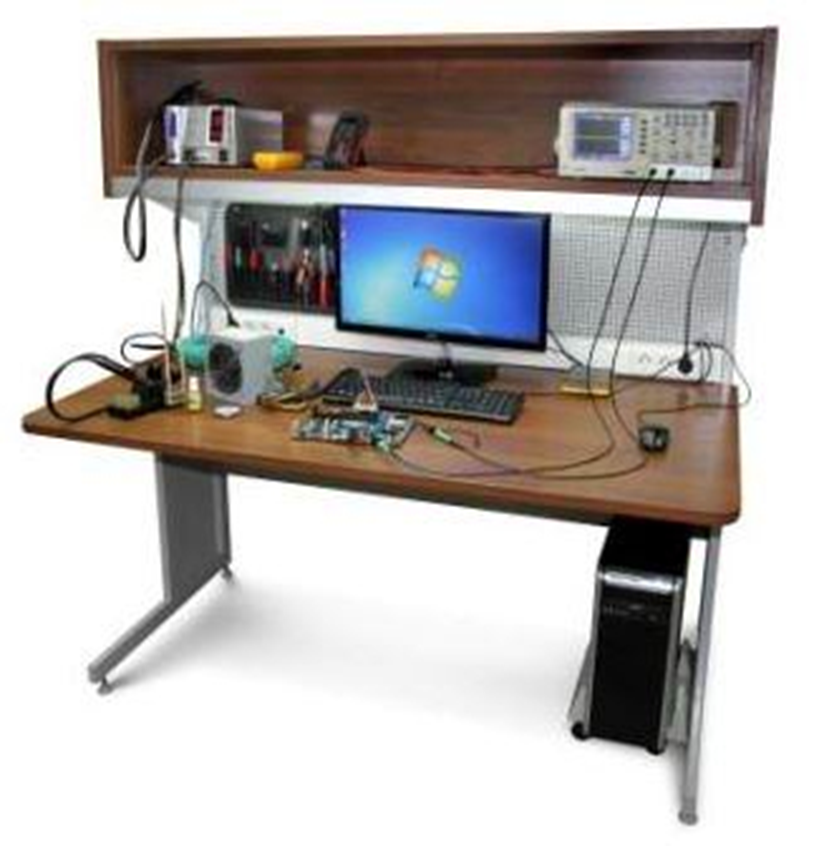
Arduino KITSTraining kits: Arduino board, sensors, LEDs, resistors, buttons. For building robots, industrial automation systems, IoT devices and virtual measurement instruments. Suitable for beginners and complex projects alike.
Interactive plasma TVThe touchscreen works like a whiteboard: write, draw, scroll and edit content with markers. It controls projectors, sound systems and other devices — convenient for project presentations and research work.

The equipment enables students to create technical models with versatile graphics tools and master 3D prototyping — producing full-scale objects from drawings or mathematical models on 3D printers.

*Digital Alley

Classrooms

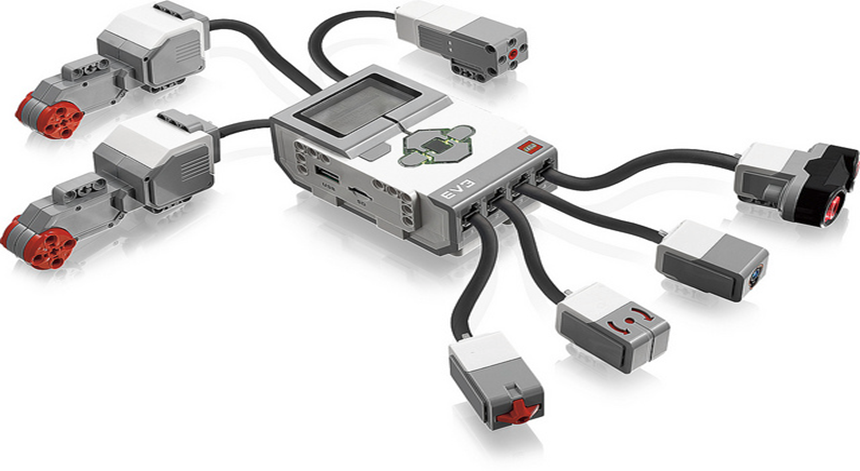
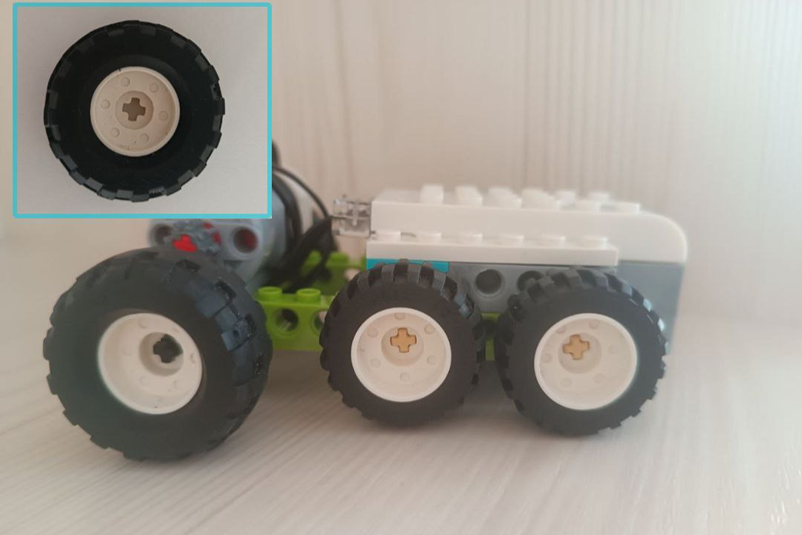
119 — 3D Modeling and PrototypingA specialized classroom for 3D modeling and prototyping; robotics classes are held here using Lego WeDo, Lego Spike, and Lego Mindstorms EV3 educational kits.
121 — VISION LabVISION Lab classroom.
113 — Arduino and Digital Circuit DesignArduino and digital circuit design platform, as well as NI virtual instruments (VI).

All classrooms of the Digital Alley are equipped with computers loaded with modeling and prototyping software and LED panels for presentations and video clips. A learning path is defined from basic to advanced programs: robotics, modeling, 3D printing, digital drawing, vector graphics, electrical engineering, and Arduino programming.

*Bachelor's and Master's degree programs

Fields of study

Information systems and technologiesTraining bachelor's and master's students in Information Systems (IS) and technology programs.
Military-Technical Vocational TrainingComputer hardware and software.
Data protection ITInformation technologies for data protection.

The specialized 3D modeling and prototyping laboratory (119) is equipped in line with the programs' specialization and advances in science and technology. All of these programs are being updated with specialized courses and practical training in 3D modeling, robotics, and automated technologies; classes use Amperka electronics kits and NI Lego construction sets.

*Block structure

Laboratory research areas

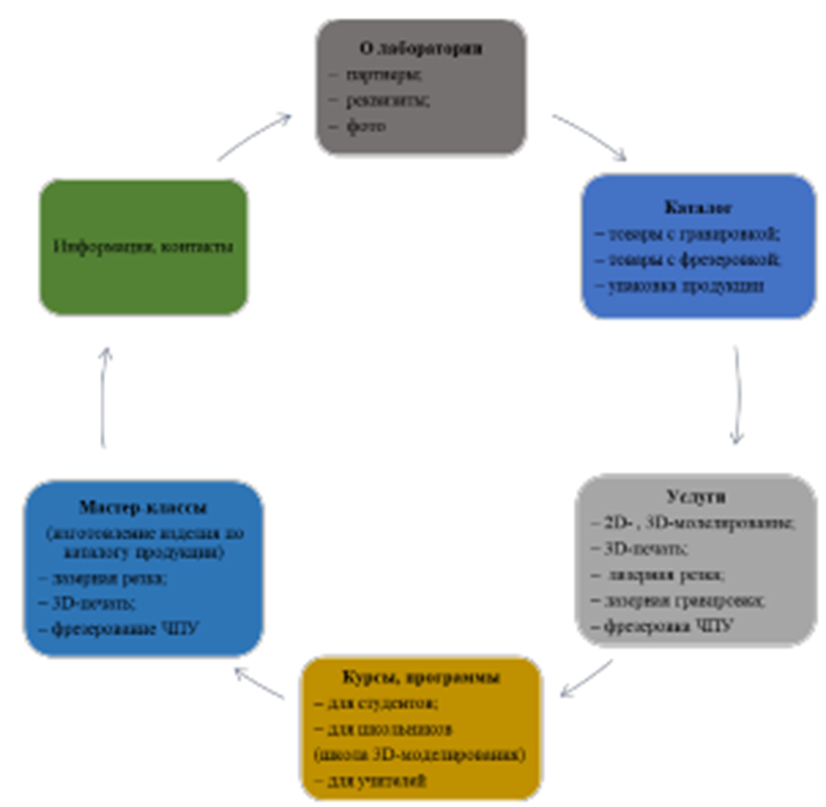
Approximate block structure of the activity areas of the Robotics and 3D Technologies Laboratory at Esil University.

01Academic
Academic processOrganizing part of the training process for Bachelor's and Master's students at the university.
Learning pathwayA gradual progression from basic to advanced programs: robotics, modeling, 3D printing, digital drawing, vector graphics, electrical engineering, and Arduino programming.
Educational RoboticsBachelor's and Master's students study educational robotics and its applications in various fields, programming on Arduino with Amperka kits and NI Lego construction sets.
Professional DevelopmentFaculty professional development courses on new digital technologies in line with the new concept and strategy of Esil University.
02Research
R&DOrganizing research and development activities.
GrantsPreparing applications for grant competitions.
Patents and PublicationsDevelopment and acquisition of patents, publication of research articles.
03Industrial
Souvenir productsProduction of engraved decorative and souvenir items per the approved catalog — featuring the symbols of Esil University and the city of Astana.
Gift wrappingProduction of gift packaging of any size with images applied by laser engraving or UV color printing.
CAD/CAM commercializationCommercialization of solutions and services in digital 3D modeling (CAD), rapid prototyping, 3D scanning, and mechanical and laser processing (CAD/CAM).
Services3D modeling, 3D printing, laser cutting, and laser engraving services.
*Practice-oriented training

Laboratory objectives

Academic processOrganizing part of the personnel training process conducted at the university.
Teaching ExperienceStudying and summarizing pedagogical experience in line with the methodological and research directions of the Department of Information Systems and Technologies.
Quality of educationImproving the quality of practical training in line with educational standards.
Research workMaking full use of the university's research capacity and aligning the focus of faculty and student research with the educational needs of the region.
Employer liaisonBuilding relationships with employers (heads of educational organizations) who create jobs.
Student developmentExpanding the scope of students' social and personal development.
Support for organizationsProviding support to a specific educational organization in the laboratory's field of activity.
*Relevance and objectives

Why the laboratory is being created

The rapid digitalization of the economy and education creates demand for practice-oriented training of competitive IT specialists.

01Challenges of the digital era
University digitalizationA digital alley is being created on the first floor of the building: big data, neural networks, artificial intelligence, robotics. These changes lead to the rapid obsolescence of competencies.
Obsolescence of professionsThe rapid pace of digitalization across industries is shortening the period during which professions remain relevant in the labor market.
Staff shortageYoung people's interest in technical fields (especially in physics, technology and geometry) is declining. There is already a shortage of engineers, financiers and economists among Kazakhstan's top 50 most in-demand professions.
China's experienceIn advanced countries, the emphasis is shifting to polytechnic knowledge developed through vocational training and technical creativity: "technological education is the first step toward a country's technological development."
02Goals and purpose
Competitive specialistsIn line with the Concept for the Modernization of Kazakhstani Education — training a competent specialist ready for continuous professional growth, social and professional mobility, and solving non-standard tasks.
Laboratory objectiveIdentifying the potential of the 3D modeling and prototyping laboratory for practice-oriented training of future digital technology teachers.
PurposeTraining competitive specialists using modern equipment and innovative technologies; developing professional skills, competencies and creative initiative through the integration of academic, research and industry activities.
Research methodsStudy of methodological, scientific-methodological and specialized literature, synthesis of engineering experience, observation, testing, questionnaires and student surveys.
*Photos

Gallery

*2026/27 admissions

Admission to ESIL University.